Imagine your adorable new puppy, wagging its tail and making friends faster than you did in high school. Puppy socials are the secret ingredient to a well-adjusted pup, helping them become social butterflies. They’re not just about showing off cuteness: they’re about teaching your furry companion essential life lessons. In this guide, we’ll explore everything you need to know about puppy socials, from the benefits to how to choose the right group for your pup. So, grab a treat and let’s immerse.
Puppy Socials
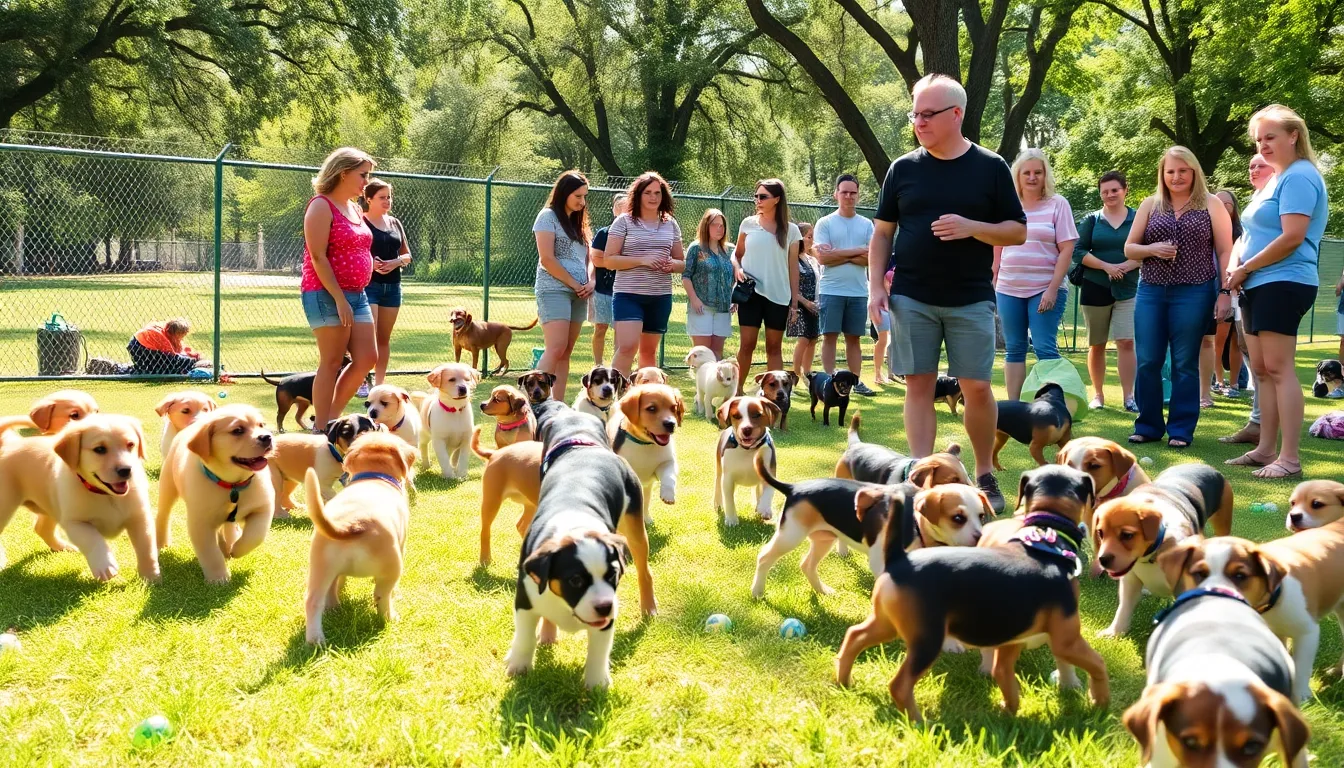
Puppy socials are structured gatherings designed to help young dogs interact with their peers in a safe and controlled environment. Picture a vibrant scene where puppies of various breeds frolic together, learning social skills and building confidence. These events often take place in dog training centers, parks, or even pet boutiques. The main goal is simple: socialization. The first few months of a puppy’s life are crucial for their development, and puppy socials provide an excellent opportunity for them to experience new sights, sounds, and smells, which is fundamental for a well-rounded dog.
Benefits of Puppy Socials
The benefits of puppy socials go beyond just letting them play. First, socializing helps prevent behavioral issues down the line. Puppies that socialize early tend to grow up into well-behaved adults. Besides, these interactions build their confidence, reducing fear or anxiety around other dogs and unfamiliar situations. Also, puppy socials are a great chance for pet owners to meet and connect with other dog lovers. Sharing experiences, tips, and even forming friendships makes the journey of dog ownership so much richer. There’s nothing like sharing a laugh with a fellow pup parent while both dogs chase after a rogue tennis ball.
Preparing for Puppy Socials
Preparation is key when attending puppy socials. Before heading out, ensure your puppy has had its vaccinations and is overall healthy. This prevents them from picking up any unwanted illnesses from their new canine pals. It’s also helpful to familiarize your puppy with basic commands like sit and stay, which can make managing them easier in a busy environment. Bring along some favorite toys and, of course, plenty of treats to reinforce good behavior. Finally, consider bringing water and a portable bowl: hydration is important, even during play.
What to Expect at Puppy Socials
At puppy socials, expect a mix of playtime, training, and probably some adorable chaos. The setting will likely be organized with staff on hand to help interaction and ensure everything runs smoothly. Don’t be alarmed if it seems overwhelming: this is perfectly normal. Puppies will be excited, running about, and engaging in various playful antics. Watch closely as staff usually introduce puppies slowly and monitor their interactions. They might set aside time for controlled play, group exercises, or even supervised training sessions.
Safety Tips for Puppy Socials
Safety should always be a top priority during puppy socials. First, ensure all puppies are up-to-date on their vaccinations. This is a crucial step to create a safe environment for everyone. Keep an eye on your puppy for signs of anxiety or aggression: if they seem overwhelmed, it’s perfectly fine to step back and give them a break. Remember to recognize personal space, both for your puppy and the others. Some dogs may not enjoy a sudden approach, so gentle introductions are a must. Finally, it’s a good idea to have a first aid kit handy in case of minor scrapes or mishaps.
Choosing the Right Puppy Social Group
Choosing an appropriate puppy social group can greatly impact your pup’s socialization experience. Research different groups in your area, checking reviews and what others say about them. Look for groups led by experienced trainers who understand canine behavior and socialization techniques. The ideal group will have a mix of various breeds and ages, but it’s essential to find one that matches your puppy’s energy level. This ensures they get the most from their interactions without feeling overwhelmed. Checking if the group has a good balance of supervision and controlled interactions is also beneficial.